
How it works
What actually happens, start to finish.
No mystery, no runaround. Here is the path from the first phone call to the last week of the program.
How it works
Get started today.
01
Reach out
Call or fill out our online form. You talk to a real member of our team, not a bot. We’ll ask what’s been going on and what you’ve already tried.
02
Clinical assessment
Within a few days, a licensed clinician walks you through a full assessment by video, to determine whether we’re a fit for you.
03
Insurance and cost
We verify your benefits and give you an estimate of your expected out-of-pocket cost before you commit to anything.
04
Start your group
You are placed in a cohort and meet your clinician before the first session, so you walk into a room where someone already knows your name.
A week in the program
Twelve clinical hours, four evenings.
Four evening groups, twelve clinical hours. Your weekly individual session with your primary clinician is scheduled separately, around your day — it is not one of the four.

Monday
Process group. What happened over the weekend, and what it cost you.
Tuesday
Skills group. Concrete tools — distress tolerance, craving management, communication.
Wednesday
Skills group. Practice rather than theory, on the week you are actually having.
Thursday
Process group, plus family session every other week.
What it looks like
A laptop on your own table.
No facility to drive to and no waiting room to sit in. You join from the kitchen, the lanai, the bedroom with the door shut.

Thursday group, from the lanai
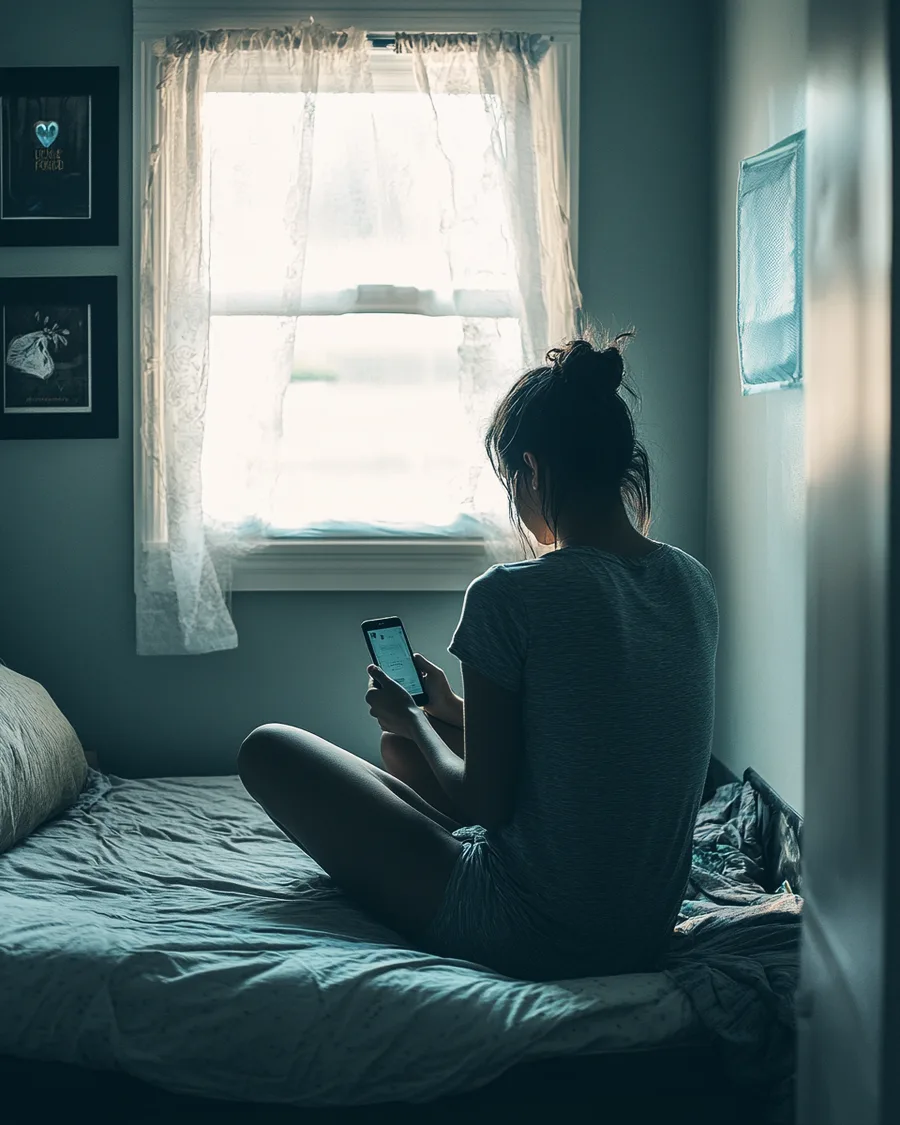
A bedroom on Kauai, door shut

Ten minutes before it starts
Where we serve
All of the Hawaiian islands.
Care is delivered by video, so the island you live on does not have to determine whether you can reach the program.
Questions
Straight answers.
Is this the same as in-person IOP?
The core clinical structure is comparable: the same scheduled hours, evidence-based curriculum, and care from licensed clinicians, delivered by video. What changes is that you are not driving across the island, catching a ferry, or flying to a different island to get it.
Do you treat mental health, substance use, or both?
Both, in separate tracks. The mental health track works depression, anxiety, PTSD and other trauma, and mood disorders. The substance use track works alcohol and drug recovery. If you are carrying both — sometimes called co-occurring or dual diagnosis, and more common than not — that path treats them together instead of asking you to pick one to work on first.
Is an online IOP as effective as going somewhere in person?
The clinical content is the same: same hours, same evidence-based curriculum, same licensed Hawaii clinicians. What changes is the commute. We are not going to quote you an outcome percentage — ask any program that does where the number comes from, and whether it is their own data or the field’s.
Which islands do you serve?
All of them — Oahu, Maui, Hawaii Island, Kauai, Molokai, and Lanai. Because care is delivered by video, where you live on an island matters as little as which island you live on.
When do groups meet?
Monday through Thursday evenings. The schedule is built so you can hold a job, stay in school, and be home for your family.
Do you take insurance?
We verify your benefits before you start and tell you your expected out-of-pocket cost up front. If we are not a fit for your plan, we will say so and point you somewhere that is.
What do I need to join a session?
A private space, a device with a camera, and a connection good enough for video. If connectivity is a real barrier where you live, tell us during intake — we have worked around it before.
What if I am in crisis right now?
Call or text 988 for the Suicide and Crisis Lifeline, any time, from any island. If someone is in immediate danger, call 911. HVC is an outpatient program and is not an emergency service.
Time for a change.
Reaching out is the hardest part, and it is the only part you have to do alone. Everything after this, we do with you.